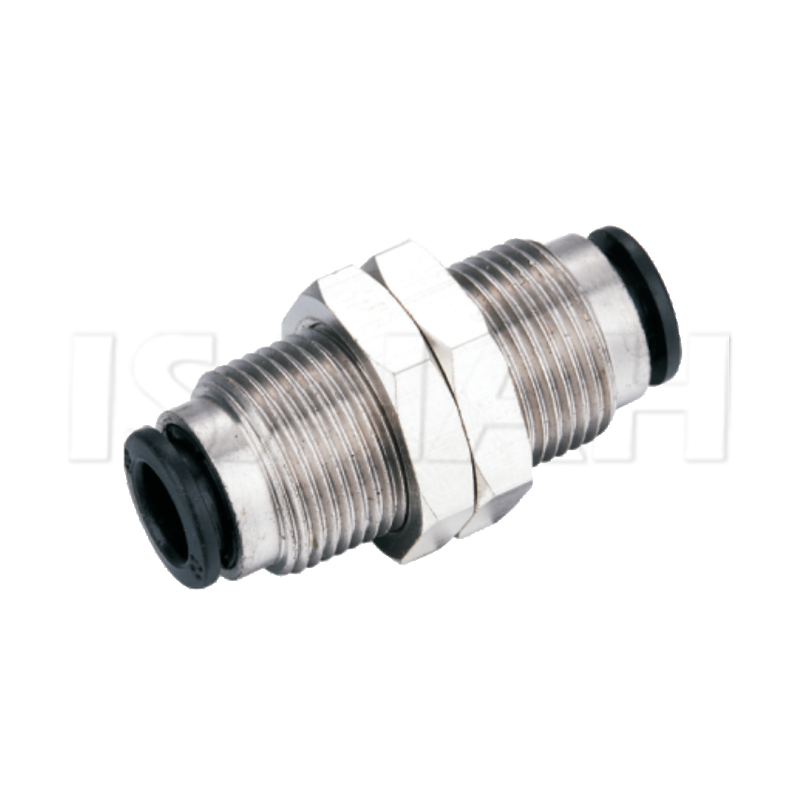
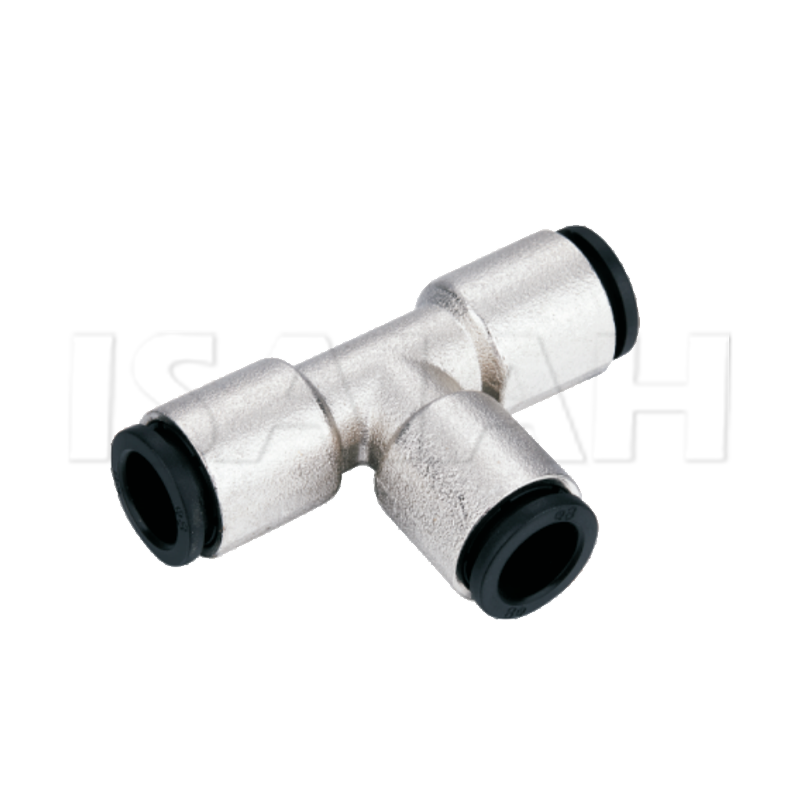
Procurement professionals and system engineers face a constant tug-of-war on the job. We must actively balance installation speed to reduce mounting labor costs against long-term system reliability to prevent disastrous leaks. You simply cannot afford to compromise on either metric. Traditional connectors, such as compression, flare, and threaded fittings, have served as the historical standard for decades. They offer proven mechanical strength. However, modern push-to-connect mechanisms are rapidly capturing immense market share across various industrial sectors.
Why are so many facilities making this sudden shift? Field technicians and engineers desperately need faster, tool-free solutions designed for tight spaces and scalable rollouts. This article serves as your objective, engineering-focused evaluation guide. We will explore how different mechanisms actually work under heavy pressure. You will learn to determine which connection type aligns perfectly with your specific operational demands and strict compliance requirements. By the end, you will know exactly when to rely on a traditional wrench and when to trust a modern tool-free mechanism.
Key Takeaways
Labor savings from push-in fittings often offset their higher unit cost, but long-term expenses depend on the system's lifecycle and maintenance frequency.
Push-in connections are proven and standard-compliant for many industrial and commercial uses; system failures are rarely design flaws, but typically stem from improper tube preparation.
Traditional connectors remain mandatory for specific high-vibration, high-temperature, or hazardous chemical applications where mechanical seals outlast O-ring tolerances.
Always match the fitting type strictly to the tubing material, utilizing inserts (stiffeners) when specifying plastic tubing with push-in systems.
Core Mechanics: How Push in Fittings Differ from Traditional Connectors
The Traditional Baseline: Compression and Flare
Traditional pipe connectors rely entirely on brute physical force to create a secure seal. Compression fittings utilize a threaded nut and a soft metal or plastic ferrule. When you tighten the nut, it compresses the ferrule tightly against the tube wall. This physical action deforms the ferrule. It creates a rigid metal-to-metal or metal-to-plastic mechanical seal. Flare fittings operate similarly but require you to flare the actual tube end outward before seating it against a matching conical fitting body.
Both methods demand significant physical torque. Installers usually require two separate wrenches to secure these joints properly. This torque dependency introduces a major variable into the installation process. If you over-tighten the nut, you risk crushing the internal pipe. If you under-tighten it, the system will eventually leak under pressure.
The Push-in Mechanism
Modern tool-free connectors replace external physical force with internal geometric engineering. When you examine the internal architecture of push in fittings, you will find two critical components working together. First, an external collet or grab ring grips the inserted tube. This ring typically features sharp stainless steel teeth. These teeth bite firmly into the pipe exterior to prevent accidental pull-out.
Second, an internal O-ring forms the actual watertight or airtight seal. Manufacturers select O-ring materials based on specific applications. EPDM rubber works beautifully for potable water systems. Nitrile rubber handles compressed air and mild oils. Viton O-rings withstand harsh chemicals and higher temperatures. As fluid or air pressure builds inside the pipe, it actually forces the O-ring tighter against the tube wall.
Operational Impact on the Floor
The operational differences between these two mechanisms are staggering. Traditional connectors are strictly torque-dependent. They require ample physical space for tool clearance. In tight, confined installations, achieving the correct wrench angle is incredibly difficult. This directly increases user error rates.
Conversely, push-to-connect mechanisms offer completely tool-free seating. You simply cut the pipe, push it into the fitting, and the connection is perfectly secure. This eliminates the torque variable entirely. Installers do not need bulky wrenches. They do not have to guess if a nut is tight enough. This drastically reduces installation errors, especially in confined machinery panels or complex behind-the-wall plumbing arrays.
The Trust Factor: Are Push in Fittings a "Risky Shortcut"?
Addressing Industry Skepticism
We must acknowledge a prevalent bias within engineering and plumbing circles. Many veteran technicians view tool-free installation as inherently weaker than heavily wrenched connections. They often label these modern fittings as a "risky shortcut" meant only for amateurs. This skepticism is understandable. It feels counterintuitive to trust a connection you can make with your bare hands in three seconds. However, modern fluid dynamics and material science tell a very different story.
Separating Fact from Myth
Let us address the most common myth directly. Many believe these fittings will randomly blow off under moderate system pressure. This is empirically false. High-quality pneumatic and plumbing push-connectors feature exceptional pressure ratings. A standard commercial fitting comfortably holds up to 200 PSI (14 Bar) at ambient temperatures.
During rigorous laboratory burst tests, the results are highly consistent. The actual plastic or soft copper tubing almost always ruptures long before a properly seated fitting fails. The internal grab ring digs deeper into the tube as pressure attempts to force the pipe outward. The harder the pressure pushes, the tighter the stainless steel teeth bite.
E-E-A-T Proof Points and Certifications
You should never rely on assumed product durability or blind manufacturer claims. You must look for strict industry certifications to validate product safety. Reputable manufacturers submit their products to independent testing laboratories.
WRAS Certification: Ensures the materials will not contaminate potable drinking water.
NSF/ANSI Standard 61: Guarantees the internal O-rings and plastics meet health effect standards for drinking water system components.
ISO 14743: Dictates the dimensional and performance requirements for pneumatic fluid power connectors.
When you specify certified components, you are relying on heavily documented engineering data rather than outdated industry folklore. Certified push-connectors are engineered solutions, not temporary fixes.
Direct Comparison: Evaluating Push in Tube Fittings Against Compression and Flare
Installation Speed and Labor Costs
Time is the most expensive commodity in any facility. We can easily quantify the time difference between these connection methods. A skilled worker needs about three seconds to complete a single push-connection. That same worker might spend two to three minutes properly prepping, aligning, and wrenching a single compression joint.
This difference cascades rapidly on large-scale rollouts. Imagine a factory installing five hundred new compressed air drops. Using traditional threaded or compression joints will consume days of expensive labor. Using modern tool-free joints reduces that labor to mere hours. Furthermore, this speed directly minimizes emergency maintenance downtime. When a line fails, technicians can swap components in seconds, restoring production immediately.
Reusability and Ongoing Maintenance
Maintenance flexibility heavily favors modern connectors. Quality push in tube fittings allow for rapid disconnection and system reconfiguration. You simply press the release collar inward against the fitting body. This action retracts the stainless steel teeth. You can then pull the pipe out smoothly without causing any damage. You can reuse both the fitting and the pipe instantly.
We must contrast this with compression fittings. A compression ferrule permanently deforms the pipe wall. Once you tighten it, you cannot undo the deformation. If you need to modify the line or replace a valve, you must physically cut the pipe below the crushed section. This shortens the pipe and often requires you to splice in new material.
Vibration Tolerance and Thermal Expansion
We cannot ignore the physical limitations of O-ring seals. Traditional flare and compression joints maintain absolute superiority in high-vibration environments. Heavy industrial machinery, internal combustion engines, and massive hydraulic presses generate severe mechanical vibrations. Mechanical metal-to-metal seals easily survive this constant abuse.
Push-connections feature inherent flexibility due to their internal O-rings. While this flexibility handles minor thermal expansion beautifully, severe continuous vibration can cause problems. Constant aggressive micro-movements can cause the grab ring to score the pipe. This eventually damages the sealing surface and leads to slow leaks.
Cost Analysis: Upfront vs Hidden
Buyers often fixate on the upfront component premium. It is true; a highly engineered push-connector costs more per unit than a simple brass compression nut and ferrule. However, smart buyers look past the initial invoice. You must calculate the hidden labor hours required to install traditional joints. You must also factor in the cost of specialized tooling, thread sealants, and the inevitable rework caused by over-tightening. In many commercial scenarios, the immediate labor savings completely absorb the higher component price.
Connector Application Matrix
Performance Comparison Matrix |
Connection Type | Installation Speed | Reusability | Vibration Tolerance | Tooling Required |
Push-to-Connect | Extremely Fast (< 5 sec) | High (Non-destructive) | Low to Moderate | None (Pipe Cutter Only) |
Compression | Slow (1-3 min) | Low (Deforms Pipe) | Moderate to High | Two Wrenches |
Flare | Very Slow (3-5 min) | Moderate (Can re-seat) | Extremely High | Flaring Tool, Wrenches |
Application Matching: Specifying the Right Connector by Environment
Pneumatics and Automation
The industrial automation sector requires absolute modularity. This is exactly why quick release pneumatic fittings operate as the undisputed industry standard for robotics, air lines, and automated assembly equipment. Modern factories change layouts constantly. Conveyor systems and robotic pick-and-place arms require frequent rerouting of compressed air.
Traditional threaded connections are far too slow for these rapid changeovers. Quick release models allow maintenance crews to swap out pneumatic cylinders or valves instantly. Because factory air operates at highly predictable pressures (usually around 90-120 PSI) and ambient temperatures, the O-ring seals perform flawlessly for years.
Potable Water and Commercial Plumbing
Commercial plumbing has experienced a massive evolution. Push-fit technology dominates modern behind-the-wall applications. Specifying brass push-to-connect valves over traditional copper sweating is incredibly common today.
Many commercial renovations happen in occupied buildings or tight crawlspaces. Hot work permits are often difficult to obtain. Open flames for sweating copper introduce massive fire risks. Tool-free brass connectors eliminate the need for torches, solder, and flux. They safely transition between copper, PEX, and CPVC piping seamlessly, making them invaluable for retrofit projects.
High-Pressure and Hazardous Fluids
We must set very clear engineering boundaries. Push-mechanisms are not invincible. You must keep them away from extreme environments. Heavy hydraulic systems operate at thousands of PSI. Gas lines handle highly volatile and dangerous fluids. Chemical processing plants deal with highly caustic fluids at extreme temperatures.
These harsh conditions will rapidly degrade standard EPDM or Nitrile O-rings. High pressure spikes will overcome the grab ring's mechanical limits. In these specific hazardous applications, you must default exclusively to traditional flared, heavy-duty threaded, or fully welded connections to guarantee structural integrity.
Implementation Realities: Avoiding Failure Points in the Field
The Vital "Tube Insert" Rule
We must directly answer the most common question asked by engineers and contractors alike. Yes, you absolutely must use tube inserts (also known as stiffeners) when you specify plastic tubing with push-in systems.
Plastic pipes like PEX, polyethylene, and polyurethane are somewhat soft. When you push them into the connector, the stainless steel grab ring applies concentrated inward pressure. Without an internal insert to reinforce the pipe wall, the plastic will slowly collapse inward over time. Once the pipe deforms, it pulls away from the internal O-ring. A catastrophic leak follows shortly after. Always use the manufacturer-recommended stiffener.
Crucial Pipe Preparation Steps
System failures are almost never design flaws within the fitting itself. They almost universally stem from lazy or improper tube preparation. You must follow a strict preparation protocol.
Cut perfectly square: You must use a dedicated pipe cutter. Never use a hacksaw. An angled cut prevents the tube from seating uniformly against the internal stop.
Deburr the edges: You must remove all plastic shavings or copper burrs from the cut edge.
Clean the exterior: Ensure the outside of the pipe is free of deep scratches or dirt.
If you force a jagged, rough-cut pipe into the connector, those burrs act like tiny razor blades. They will slice microscopic gouges into the internal O-ring. This damage causes incredibly frustrating, slow weeping leaks that are hard to trace.
The Depth Marking Requirement
Installers often fail to push the pipe in far enough. They feel the initial resistance of the grab ring and incorrectly assume the pipe is fully seated. In reality, the pipe has not passed through the O-ring yet.
You can avoid this completely through depth marking. You simply measure the required insertion depth based on the fitting size. You make a small mark on the pipe with a marker. When you push the pipe in, the mark should slide perfectly flush against the release collar. This visual confirmation guarantees the tube has fully seated into the O-ring.
Shortlisting Your Next Steps
When selecting a vendor for your facility, you need more than just a price sheet. You should establish strict criteria for vendor selection to ensure long-term reliability.
Request detailed material specification sheets for both the grab rings and O-rings.
Demand comprehensive chemical compatibility charts if you are handling fluids other than water or air.
Ask for a batch of product samples. Hand them to your maintenance team for real-world field testing before committing to a massive purchase order.
Conclusion
The final verdict is clear. Push-in fittings are not a universal replacement for every pipe in your facility. However, they are certainly not a risky shortcut either. They represent a highly engineered, reliable solution explicitly designed to optimize installation labor and system flexibility. When you keep them within their designated pressure and temperature parameters, they perform exceptionally well for years.
Take time to audit your current maintenance and installation labor costs. Compare those numbers against your exact component spending. Consult your system's pressure and temperature tolerances carefully. Once you understand your actual physical requirements, reach out to an experienced technical sales team for a comprehensive specification review. Upgrading your connection technology might be the easiest efficiency win your facility achieves this year.
FAQ
Q: Do push-in fittings reduce system flow rates?
A: Yes, slightly. The internal architecture requires the tubing to fit inside the connector body. This means the internal diameter of the fitting is marginally smaller than the pipe itself. While this minor reduction rarely affects standard pneumatic or plumbing applications, you should account for it when designing highly sensitive, high-volume flow systems.
Q: Can I use push-in connectors on copper, CPVC, and PEX interchangeably?
A: Many modern plumbing connectors feature universal grab rings designed to grip copper, CPVC, and PEX securely. However, pneumatic variants are often material-specific, engineered strictly for nylon or polyurethane. You must always verify the grab ring's compatibility with your exact tubing material before installation.
Q: How long do the internal O-rings last?
A: High-quality O-rings easily last over two decades under standard conditions. However, their lifespan drops drastically if exposed to direct UV light, severe temperature spikes, or incompatible chemicals. You must match the specific O-ring material (like EPDM or Nitrile) directly to your environmental hazards to guarantee longevity.
A: Immediate leaks stem from two common user errors. First, the installer failed to push the tube past the O-ring to the internal stop. Second, a rough or angled pipe cut sliced the O-ring during insertion. Always deburr the pipe and mark the proper insertion depth to prevent this.